




From Rolls-Royce’s ‘Spirit of Ecstasy’ and the iconic Jaguar ‘Leaper’ to more personal variations, car mascots are akin to mobile masterpieces, says Nick Herbert
What defines the most luxurious car in the world? The Rolls-Royce boasts unrivalled build quality, of course, with an eye-watering price tag to match. It is hefty and has a commanding presence on the road. It’s always gleaming: you never see a dirty Rolls because a chauffeur is usually employed to polish it, and its wheels are rarely scuffed. But the thing that immediately tells you that it’s a Rolls-Royce is the car mascot on its bonnet. (Read Nick Herbert’s motoring reviews here.)
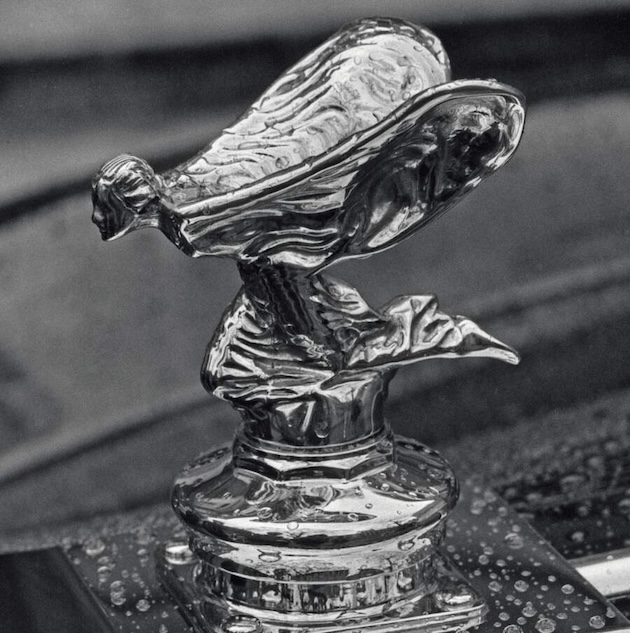
Rolls-Royce’s ‘Spirit of Ecstasy’
The ‘Spirit of Ecstasy’ car mascot history
The story of the ‘Spirit of Ecstasy’ is intriguing. Before the First World War there had been a proliferation of personalised mascots on cars. Like the vehicles themselves, these metal models were a symbol of wealth and prestige, ranging from leaping animals to soaring birds. But the general managing director of Rolls-Royce disliked these “unsightly additions” and commissioned the sculptor Charles Sykes to produce an official mascot worthy of his cars.
Sykes had already modelled a personal mascot for the Rolls-Royce Silver Ghost belonging to his friend, the second Lord Montagu of Beaulieu. The bronze statuette’s model was Lord Montagu’s secretary and clandestine mistress, Eleanor Thornton. Depicting a lady with one finger raised to her lips in a gesture of discretion, it was nicknamed ‘The Whisper’, and you can still see it in the National Motor Museum at Beaulieu.
The ecstasy ended in tragedy when Lord Montagu and his ever-diligent secretary were travelling to India aboard the SS Persia in 1915. The ship was torpedoed by a U-boat south of Crete and sank. Thornton drowned but Lord Montagu was rescued after several days adrift. Originally, the Spirit of Ecstasy was a magnificent 7in tall. Today the mascot is half that height but more than 100 years later it still stands as one of the most recognisable motoring emblems in the world.
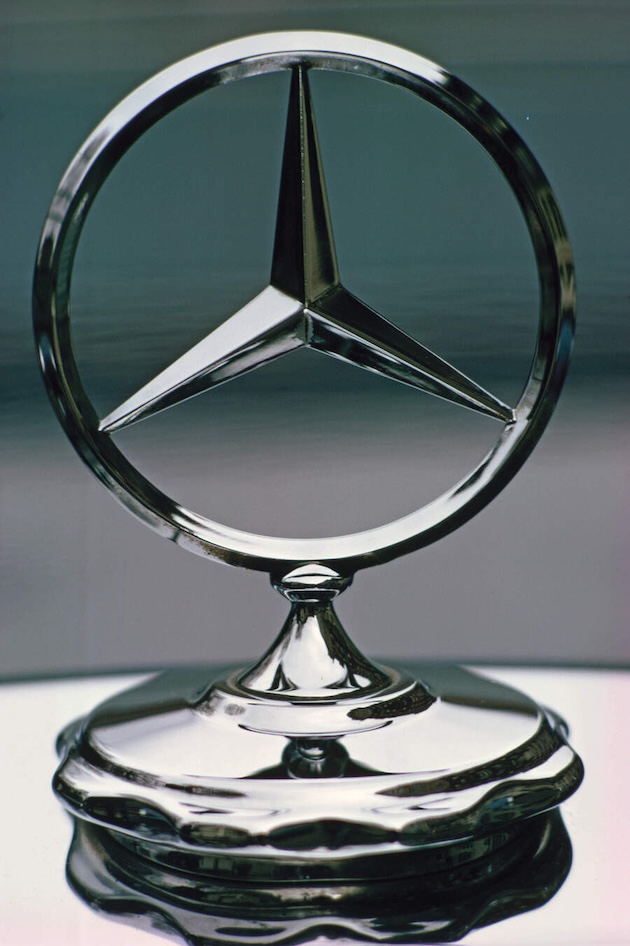
Mercedes Benz’s three-pointed star
Practical origins
Bonnet mascots originate from the days when cars regularly overheated and drivers had to unscrew the external radiator caps while avoiding first-degree burns. A chap called Harrison Hurlbut Boyce invented a temperature sensor that sat above the cap, and soon the gauges were enclosed in sculptural designs. Thus the rage for mascots began, and even when engine cooling improved the desire for the figures remained.
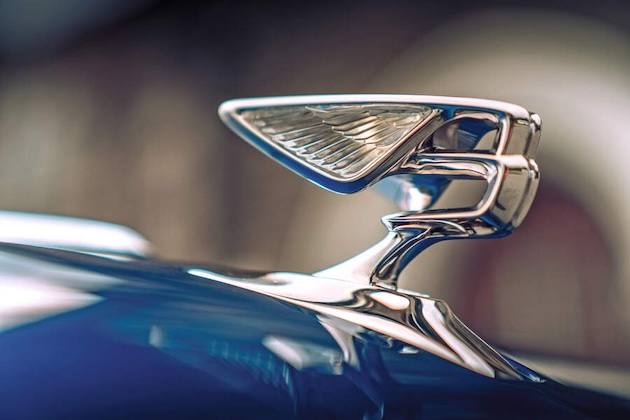
Bentley’s famous ‘Flying B’ first appeared in 1919, while Jaguar’s iconic ‘The Leaper’ dates from the 1930s when it was offered as a factory-fitted option at the cost of an extra two guineas. The instantly recognisable Mercedes-Benz three-pointed star became the company’s trademark in the 1920s, reflecting Gottlieb Daimler’s original ambition that his engines would power vehicles on land, sea and in the air. In the 1980s they became prized neck pendants in the hiphop community and were frequently stolen.
For cars without official mascots a personal version remained fashionable. Silver racehorses, dogs, foxes and stags graced many a country car, gentrifying even the most modest runabout. Cambridgeshire- based company Lejeune began manufacturing mascots a century ago and still produces a wonderful variety today.
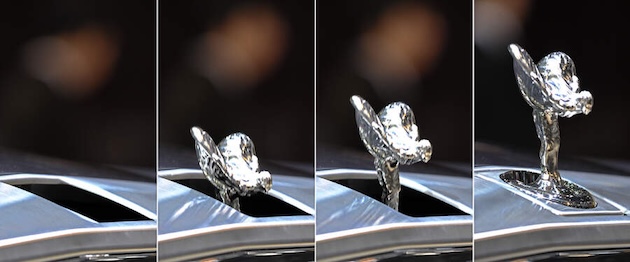
Perhaps unsurprisingly, pedestrian safety concerns grew. Today, while mascots are not banned outright, they must be designed to yield, retract, break off or not cause injury on impact. Rolls-Royce, Bentley and Mercedes have all cleverly adapted theirs to retract but sadly Jaguar’s disappeared in 1970.
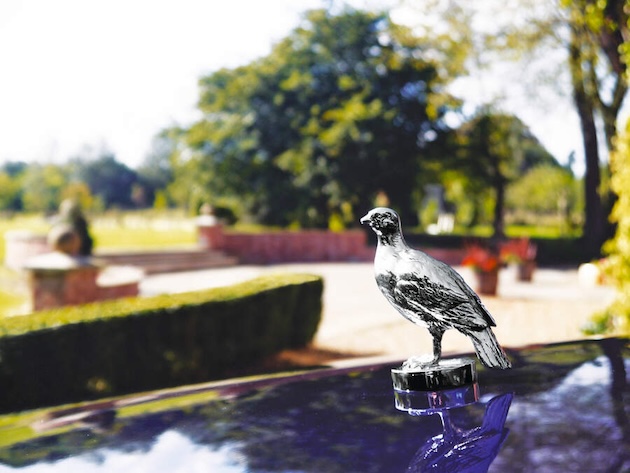
A mascot by Lejeune
Personal mascots are now a rare sight. They can still be manufactured to break from their mountings or else they make great ornaments. My own silver fox now runs on my bookshelf rather than my bonnet, while two years ago I spotted a splendid 1910 French bronze depicting a hare and snail at a Bonhams automobilia auction, securing it for the princely sum of £153. With the proliferation of speed cameras and 20mph speed limits, it seems to be an apt emblem for today’s motoring at a snail’s pace.
Image credits: Getty, Lejeune
For more guides and country-related articles, subscribe to The Field Guide To monthly newsletters and receive a complimentary guide to dogs from Country Life magazine.